
I'm Not Even a Star Wars Fan – And Yet I Have 200 LEGO Minifigures Standing Here
Let's start with the part that makes the least sense: I'm not a big Star Wars fan.
Don't get me wrong – I like the universe. I've seen the movies [1], I've occasionally tuned into the shows, and I certainly sympathize with the material and the fandom around it. I'm just not the guy who goes to conventions or holds a strong opinion on the chronology of the Clone Wars.
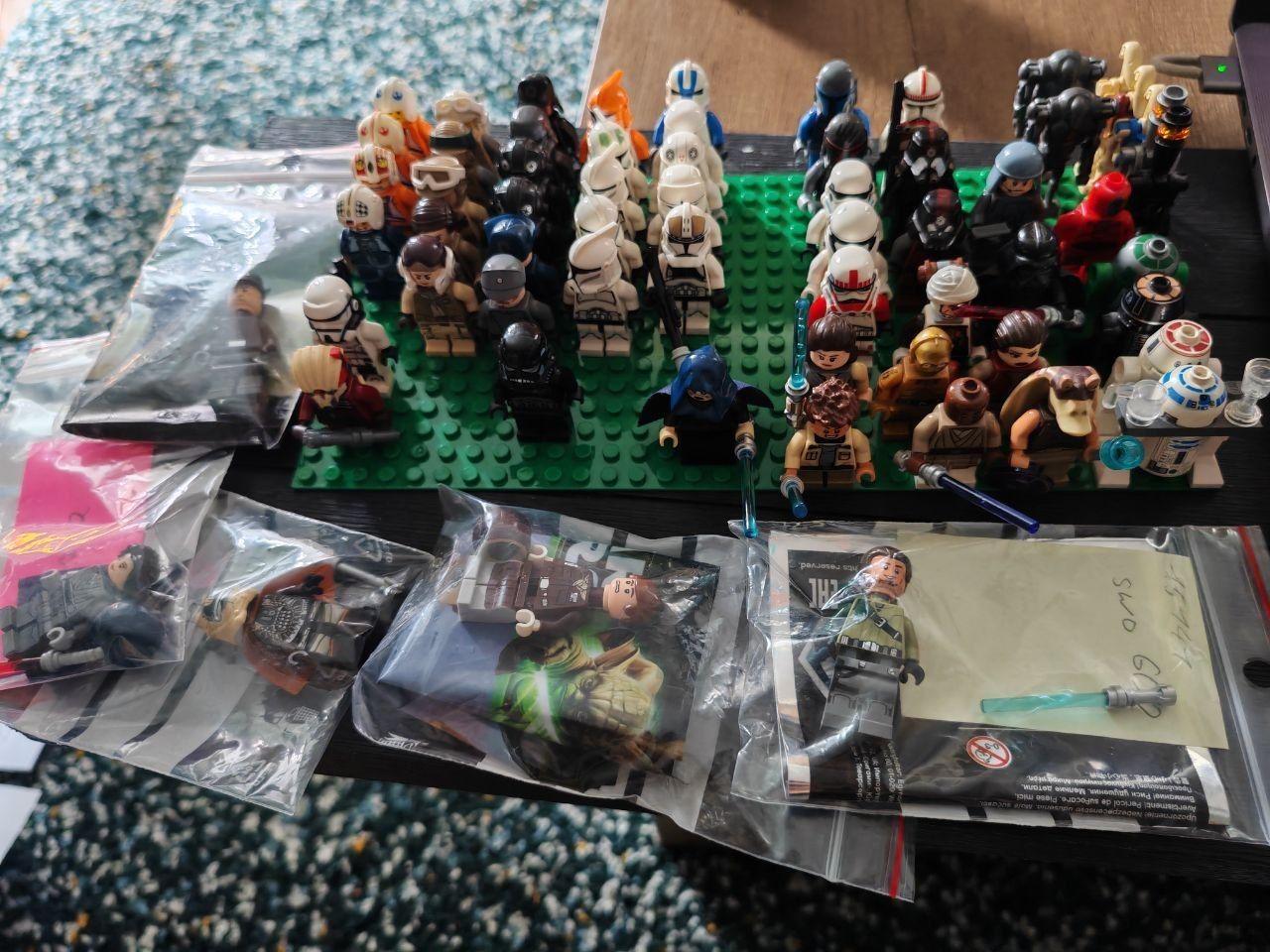
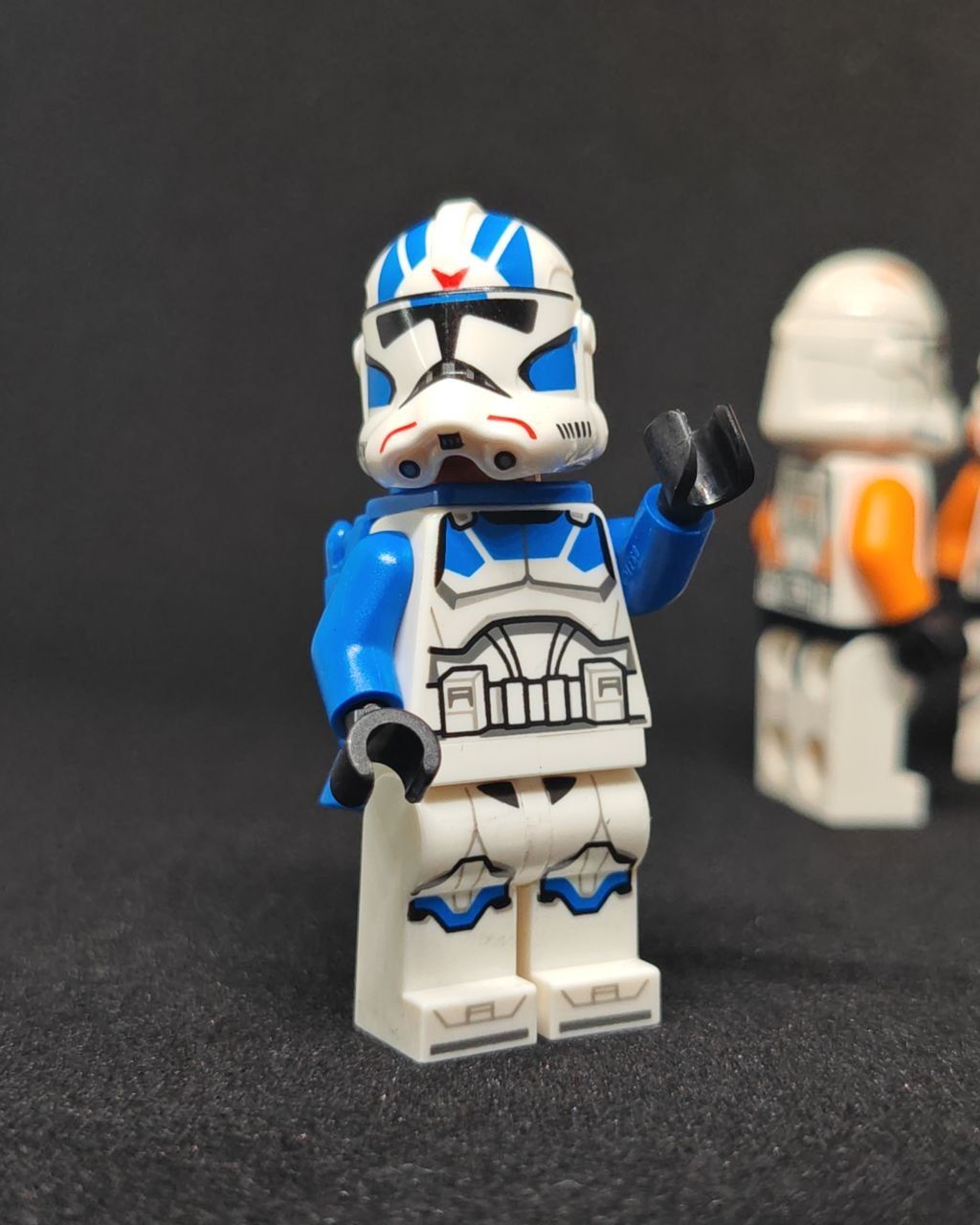
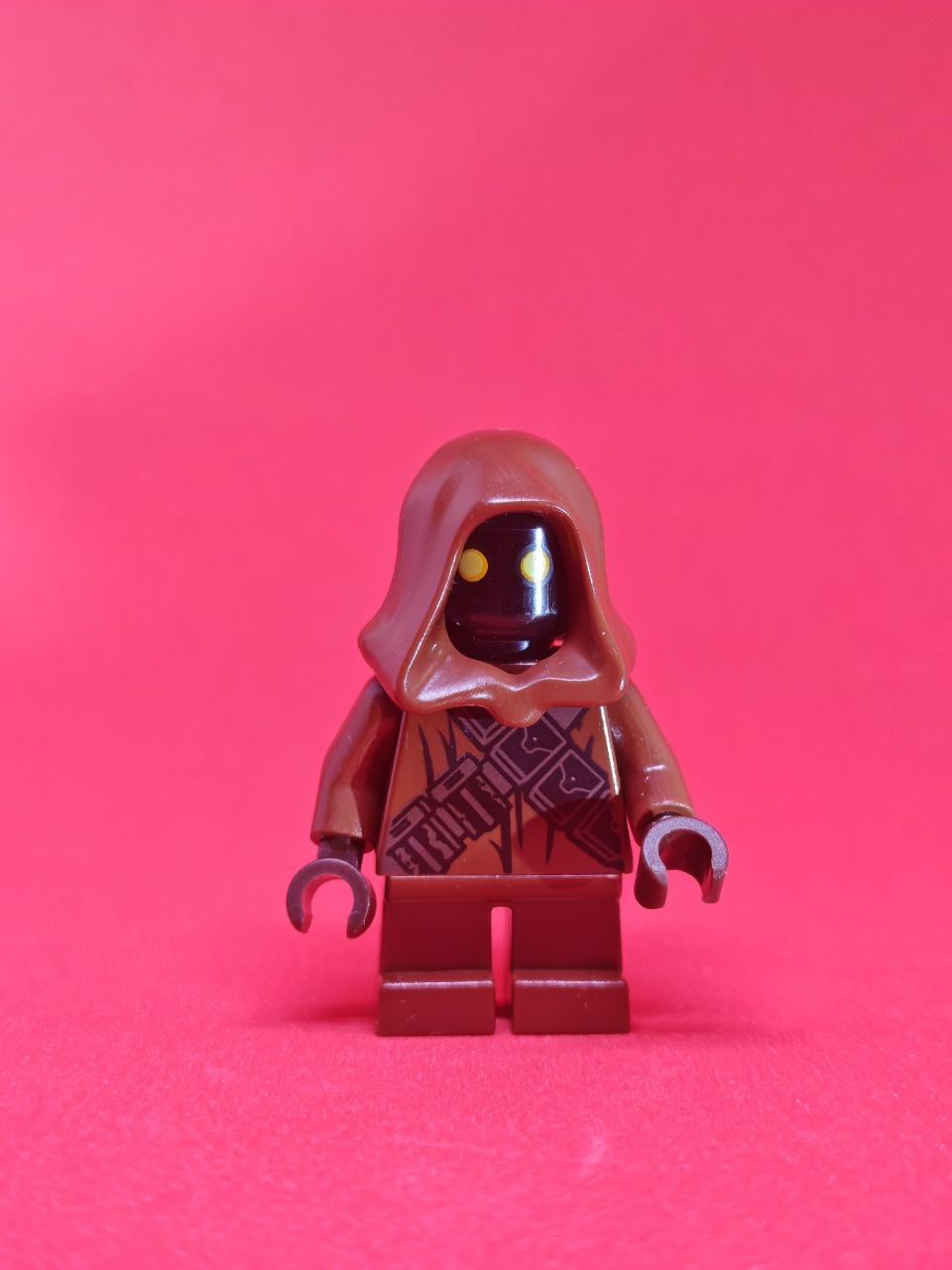
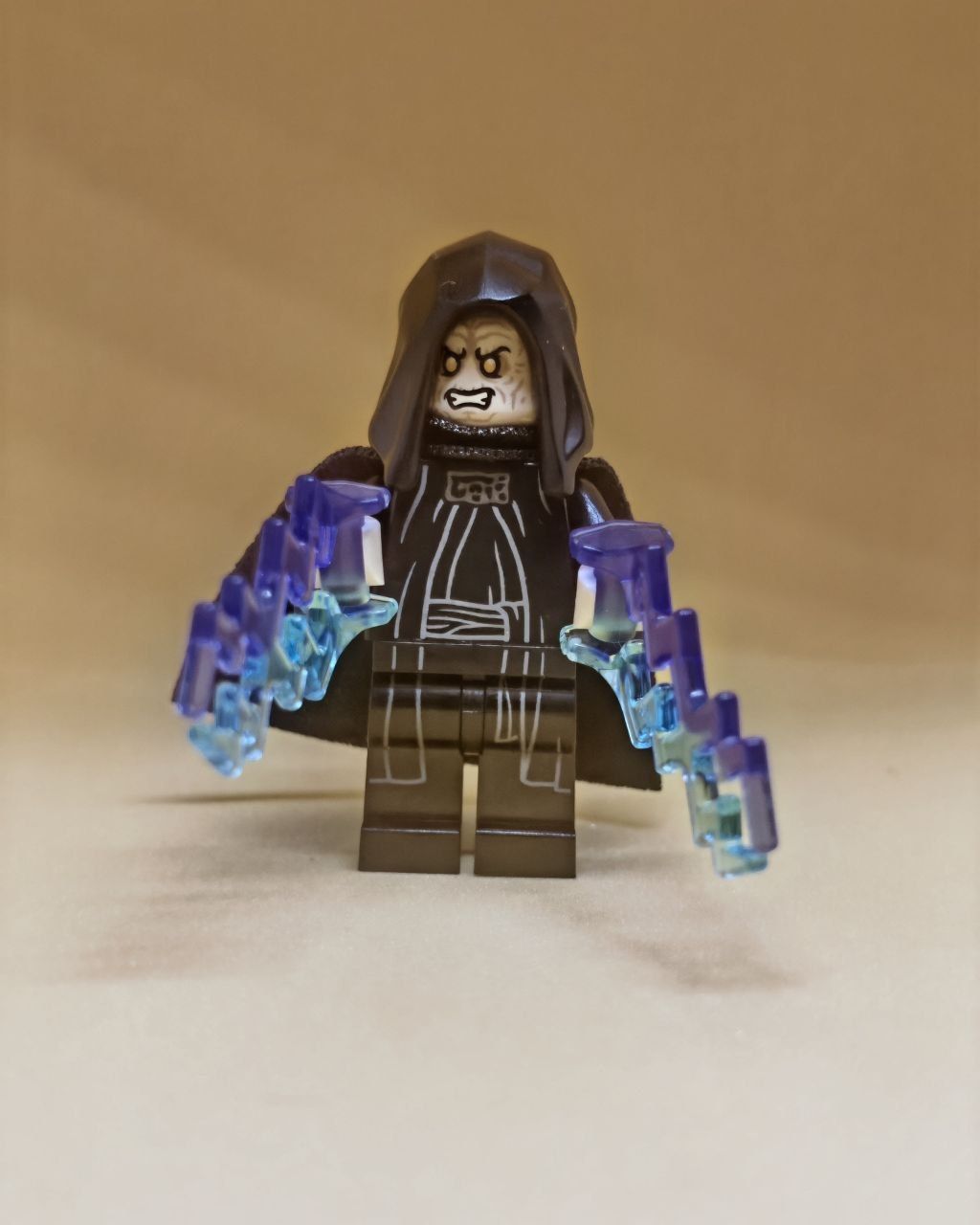
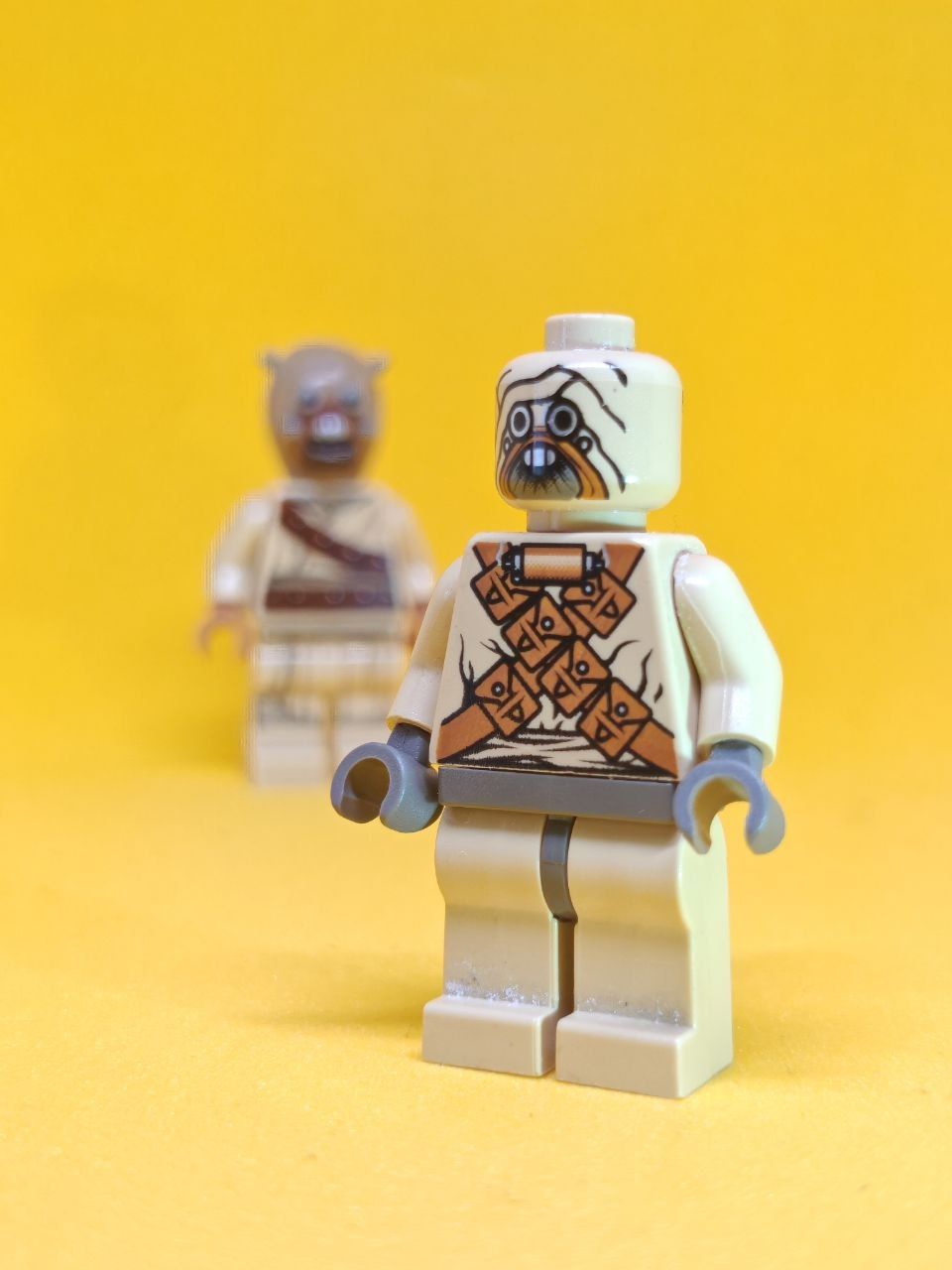
And yet, right here, there are around 200 tiny plastic people from this universe, and I spend a shockingly large portion of my free time buying and reselling more of them.
How did it come to this? Boredom.
The First Click
A few weeks ago, I signed up on Whatnot [2]. No plan, no goal, simply because I wanted to see how it works: people stream live, auction items off every few seconds, and everyone is shouting in the chat. As a concept, it is about as subtle as a slot machine, and that is precisely why it works.
I ended up in a LEGO stream and won a single minifigure at auction. A Kashyyyk Trooper. One click, a few euros, done.
Then came the second one. Then the third.
A few days later, the package arrived. I held three tiny figures in my hand – along with the completely clear, uncomfortable realization: I want more. Damn it.
Suddenly, Everyone Was Speaking a Language I Didn't Know
The first thing I noticed: I didn't understand a word.
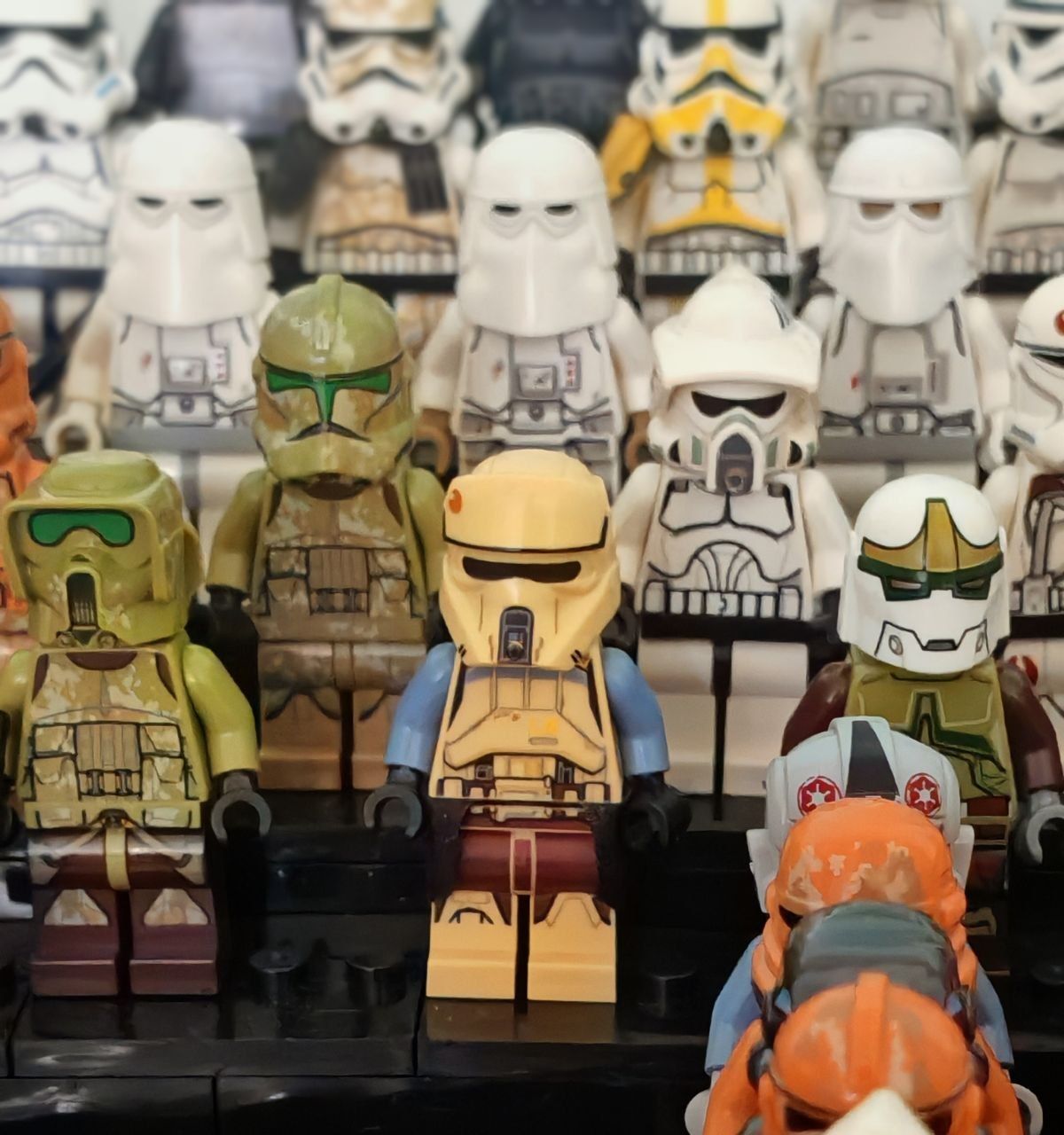
In the streams and comments, abbreviations were dropped that everyone except me seemed to grasp instantly. What is a Kashyyyk? What are Geonosians? And why are there Phase 1 and Phase 2 clones, when up until then I thought a clone trooper was simply a clone trooper? I knew the movies and a few series episodes. I simply had no idea that such a deeply intertwined cosmos lay behind it all.
On top of that came a second layer that had even less to do with Star Wars and everything to do with LEGO: dual-molding, 360-degree printing, mold wear, and the question of why everyone suddenly has a problem with helmet holes [3].
That was the point where an impulse buy flipped into genuine interest. I sat there in the evening looking up terms, the way you usually only do when diving into a brand-new field of study. It is a completely distinct world with its own vocabulary, and the feeling of stumbling into such a universe anew is pretty great. And strange.
From Buying to Selling
The logical next step wasn't, of course, to stop, but rather to expand the research: Kleinanzeigen, eBay, more streams. I started looking at other sellers' collections, comparing prices, and getting a feel for what a figure is actually worth versus what is mere mass production.
And then came the moment that turned a hobby into a system. I had a duplicate figure. When I asked about it, I received a bulk discount because I took several at once. So I was sitting there with a stack of figures, some of which I didn't even need, that altogether cost less than their individual market value.
From there, it wasn't a long way off: I started my own Whatnot stream. Officially to get rid of surplus. In reality, mainly as a very elegant excuse to keep buying.
The Learning Curve
What started as "let me just click on one figure" turned within a few weeks into a daily routine of scrolling through online classifieds and listings, watching streams, and looking up market values. Fortunately, the tools for this are solid:
- BrickLink – Marketplace and database. This is where I see what a figure actually sells for, not what someone wishes to get for it.
- BrickSet – To assign figures to specific sets and distinguish variants.
- Brick Economy – For price trends over time. Very helpful for recognizing whether a figure is currently experiencing hype or holds a truly stable value.
In parallel, you learn things that aren't listed in any database: how rubbed-off printing feels on a torso; that "used, good condition" is a very elastic phrase; how deep a drag mark under a figure's arm has to be to pull its condition rating down; and that counterfeits exist, along with how to spot them.
The First Stream
My very first own stream: 63 sold figures.
I had expected a handful and prepared myself to talk alone into a camera most of the time. Instead, it was an hour that felt like ten minutes. Afterward, it was clear that I didn't just have a hobby, but a feedback loop: buy, evaluate, sell, buy.
Why Selling Feels Surprisingly Painless
And here lies the main reason I kept going in the first place: Whatnot handles almost everything that makes selling on eBay or classifieds so tedious.
The technical barrier is practically zero. At its core, a smartphone is enough. Camera on, hold up the figure, done – tripod optional. I started exactly that way and then quickly switched to OBS with a few pre-configured scenes. And because I apparently can't help myself, a turntable soon stood on the table, automatically spinning the figures 360 degrees so viewers in the stream could get a full picture without asking me what the back looks like.
Shipping is bundled logically. If the same person buys multiple times from me, they only pay shipping once for the first package; all additional figures up to a certain weight go along free of shipping charges, with proper tier adjustments above that. That gives buyers a reason to stay in the stream – and gives me the reason a sale rarely remains a single purchase.
The platform creates the labels. Whatnot generates shipping labels automatically; I print them out and stick them on. All I need to keep in stock are small boxes, padded envelopes, and a printer.
And then comes the payout. Once shipments arrive, I automatically receive a notification a few days later and can transfer the balance directly – minus platform commission and payment processor fees [4].
It sounds unspectacular, but it's the difference between a seamless hobby and "I now have to message twelve people individually about where their package is." Which wouldn't even be that bad, because every person I've met so far has been genuinely pleasant and friendly, sharing a mutual passion. 🫶
Where I Stand Now: 200 Figures and Breaking Even
Currently, my own collection sits at around 200 figures. But the more important metric is a different one: I'm breaking even.
That means the collection funds itself. Selling surpluses covers my new purchases. I'm no longer putting additional out-of-pocket money into it, yet the collection continues to grow. For a hobby, that is a fantastic state of affairs – and honestly, the point where I have the most fun with it.
And this is where not being a hardcore fan gets interesting: what excites me most isn't the lore. It's the culture surrounding it and the trading itself. The valuation. The negotiation. The moment a bid goes higher than expected. Learning more about the universe along the way is a pleasant side effect – but the real game is a different one.
And Suddenly: Photography
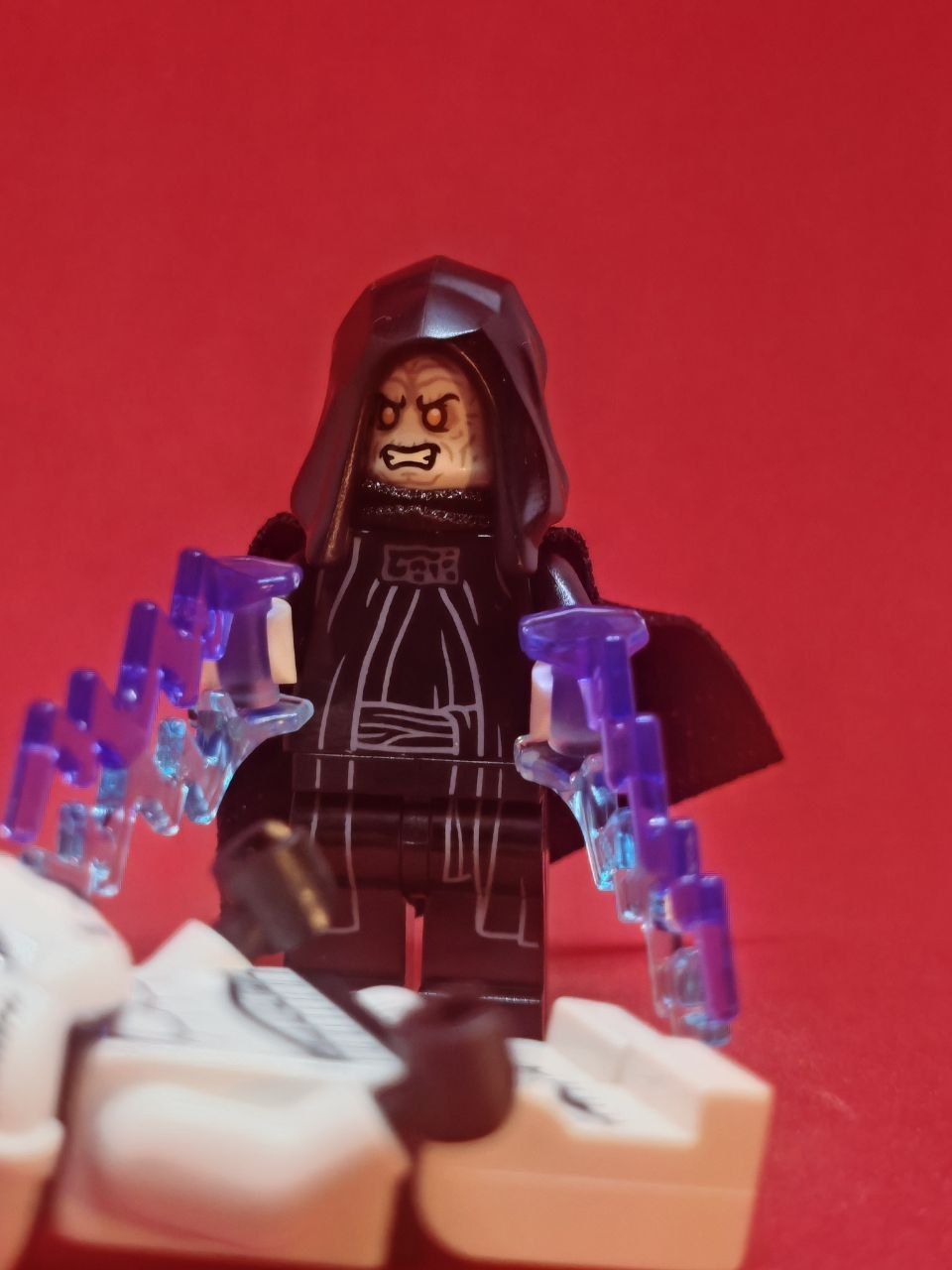
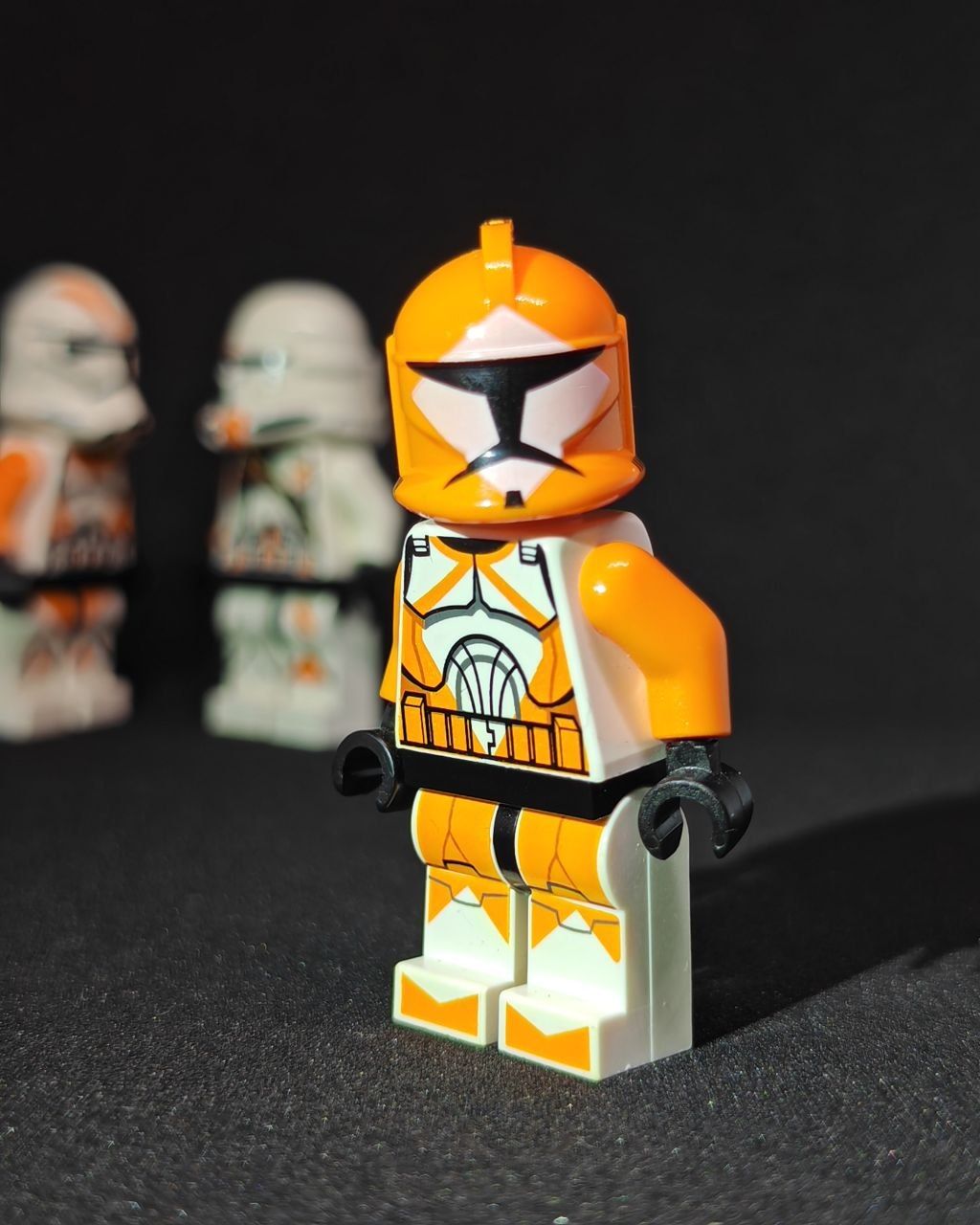
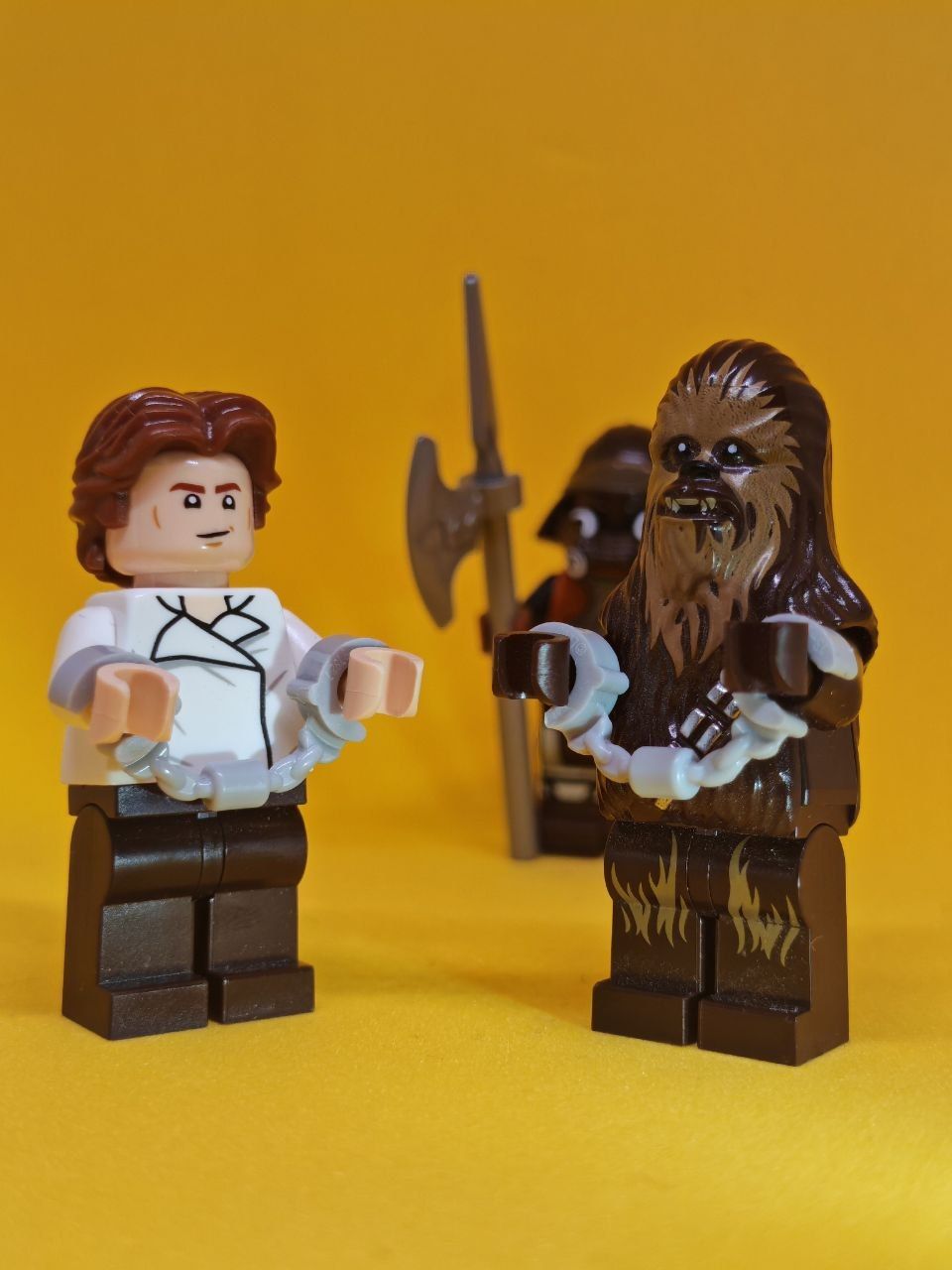
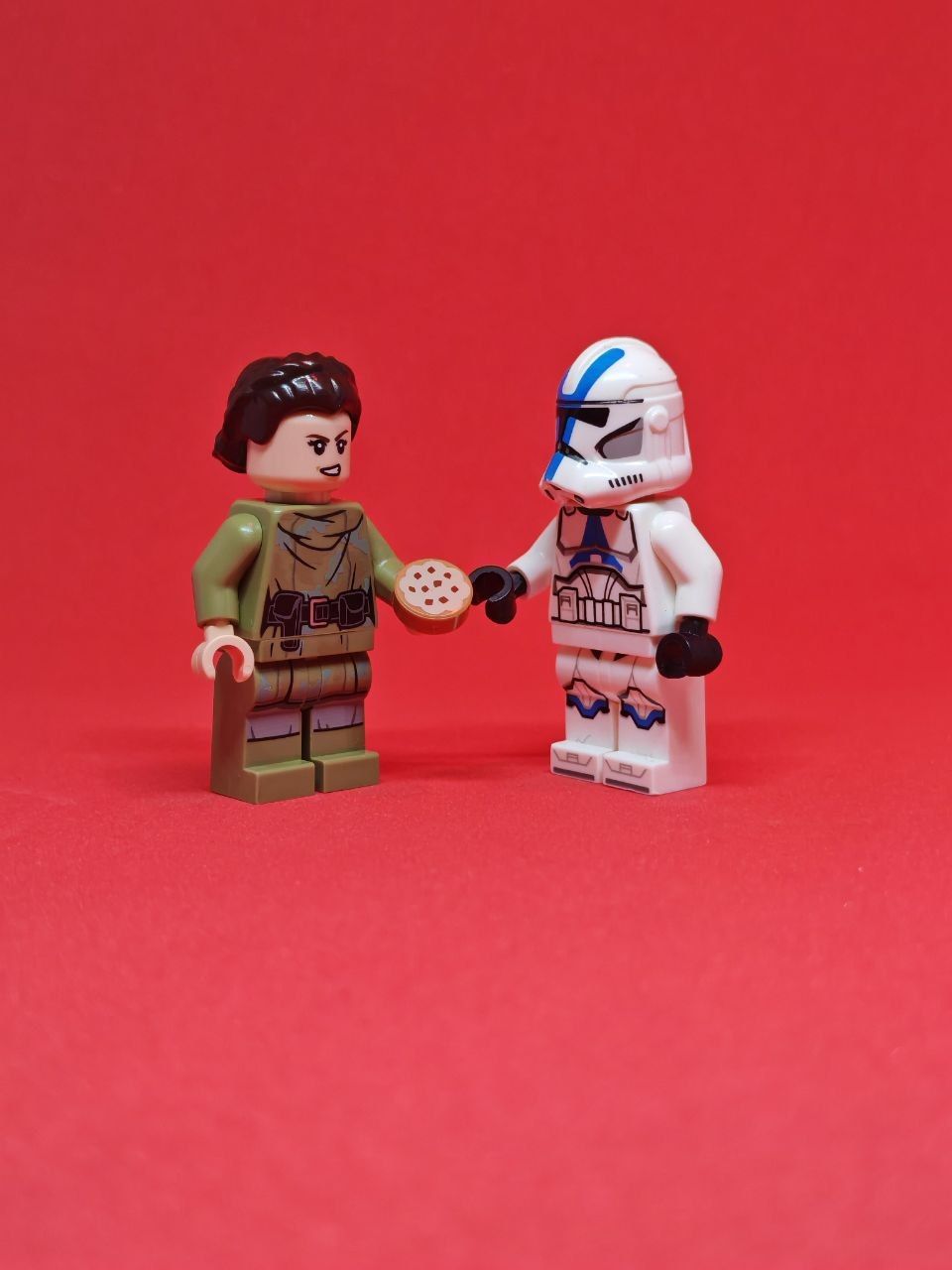
What I didn't expect was the moment someone close to me gifted me a photo lightbox with various backdrops. Unsolicited, simply because she saw how deep I was in it – and that my pictures, well, had room for improvement.
That opened up a topic I hadn't accounted for at all: minifigure product photography. Lighting, backdrop, perspective, depth of field on an object that is four centimeters tall. It's a completely unique creative domain, and I've noticed I now spend almost as much time photographing as I do buying.

And Because I Can't Help Myself: A Chrome Extension
At some point, every hobby of mine turns into "I should code something for this." So I built my own Chrome extension to handle management for me:
- Image recognition of figures, so I don't have to categorize each one manually
- Order tracking including condition monitoring
- Auction setup – complete with notes and a planned tension curve, so a stream doesn't burn through its highlights right at the start
That sounds like overkill for a hobby that started with a bored click. It probably is. But once you're juggling a few hundred figures, multiple platforms, and open orders simultaneously, a spreadsheet just doesn't cut it anymore [5] [6].
What I Would Give Beginners as Advice
Use the tools. BrickLink, BrickSet, and Brick Economy are not optional. Bidding without price research means paying tuition – reliably so.
Negotiation is half the profit. Especially on Kleinanzeigen and larger eBay collection bundles. Hardely anyone expects the asking price to be the final price. Bulk lots offer the greatest leverage.
Patience. The figure you think you urgently need right now will pop up again. It almost always does. Very few exceptions exist, and as a beginner, you shouldn't be buying those anyway.
Set your limit – beforehand. On Whatnot, this is essential. Streams are designed to pull you into bidding wars, and in the heat of the moment, it works. I have a strict maximum per figure; if it gets exceeded, I'm out. Always.
And spot the tricks. Experienced sellers use vague phrasing and teasers – "I won't reveal this one yet," "something special is coming up next" – to drive bids up. It isn't unfair; it's their craft. But recognizing it helps immensely to avoid emotional reactions.
What Now?
No idea where this leads. And that is genuinely the best part.
It isn't about revenue for me – aiming for profit while breaking even would be a strange goal anyway. It's about the fun of trading, the community, and the somewhat absurd joy of immersing oneself in a topic with no prior emotional connection.
I'm curious where I'll be in six months. Probably with more figures, more code, and better lighting for my lightbox. Or I might suddenly lose interest entirely and sell off all figures at once. Wouldn't be the first time [7].
A Disclaimer: I currently cannot type because my arm is in a sling, a state that won't change for the next few weeks. Therefore, in creating this post, I relied among other things on AI tools that convert my voice into text and accordingly correct sentences and check grammar. I feel it is important to add this. Words, sentences, and content are mine and not generated by AI.